
⏱️ 3 min read
For many nonprofits across Canada, budget season is here. Boards are reviewing projections, approving operating plans, and making sure the year ahead looks financially sound.
But budgets only tell part of the story.
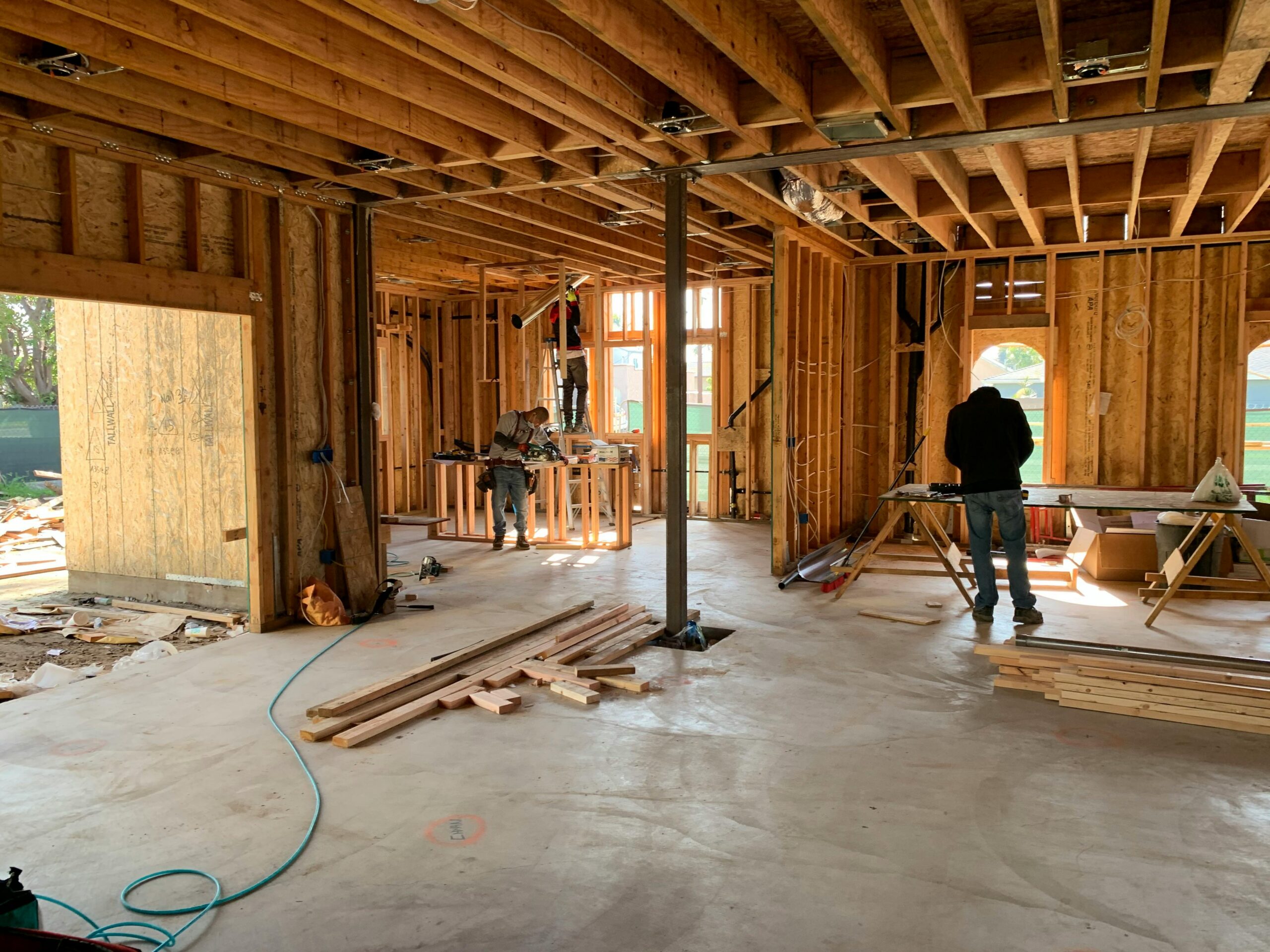
Across the sector, projects that seemed secure a year or two ago are hitting unexpected pauses:
- A housing development waiting on a funding program that may not reopen.
- A community centre renovation delayed as grants scale back.
- A capital campaign that’s 90% funded… still stuck waiting for that final piece of public funding to move forward.
Alone, these challenges aren’t unusual. Taken together, though, they’re prompting boards to think more carefully about how projects are financed. This goes beyond whether the funding exists, but how it arrives, how it’s structured, and how different sources fit together.
Timing matters
The reality is that capital projects rarely unfold in neat fiscal-year cycles.
Funding might arrive in phases over several years, often tied to milestones or reporting requirements. Construction invoices, meanwhile, follow their own schedule. They probably don’t care about your budget calendar. Long gaps between committed funding and actual cash in the bank are common.
Boards need to look at cash flow across the full life of a project, not just the annual budget. That way, boards can reveal pressure points early and sometimes even identify options to keep projects moving, rather than waiting indefinitely for the final piece of funding.
A mix of funding sources is more important than ever
For a long time, certain public funding programs felt stable enough that organizations could confidently build projects around them. Now, not so much.
Public funding remains essential to nonprofit infrastructure in Canada, but timelines shift, priorities evolve, and programs sometimes pause between funding rounds. When a project depends heavily on one expected funding stream, a single change can stall years of planning.
Increasingly, organizations are deliberately building a mix of complementary funding sources from the start: grants, public funding, philanthropy, and other forms of capital that provide flexibility when timing shifts. In finance circles, this is called blended finance. For boards, it simply means structuring projects so progress doesn’t depend on a single decision somewhere else in the system.
The nonprofit financing toolkit is wider than many boards realize
Organizations are going beyond grants, philanthropy, and traditional financing to explore other ways to support capital projects, including community investment models like community bonds.
For boards, the biggest barrier is often simply awareness. It’s natural to rely on the funding models you know best. But as projects grow more complex and timelines stretch longer, it’s worth looking beyond the “traditional” paths. Because communities still need these projects, and waiting indefinitely for the perfect funding moment isn’t an option.

A moment for boards to think differently
This is an opportunity for nonprofit boards to shift from “Where will the funding come from?” to “How do we structure funding so projects can keep moving forward?”
That means paying closer attention to timing, building funding strategies that don’t rely on a single source, and becoming more familiar with the full range of available financing tools (including community bonds!).
While funding environments change, the need for affordable housing, community spaces, health infrastructure, and cultural hubs does not. Boards that understand both the numbers et the capital strategy can act confidently, even when the funding landscape inevitably changes again.
Commentaires récents