⏱️ 2 min read
Earth Day tends to bring a wave of optimism.
Clean energy feels like it has momentum. Many people want to be part of the solution. Communities want projects that improve resilience, create local benefits, and make progress visible.
When you look at how projects get built, everything starts with capital. Solar projects, building retrofits, EV charging networks, and other climate infrastructure all require upfront capital long before any benefits show up. That early stage is where projects either move forward or stall. And for the most part, that stage is still concentrated with a relatively small group of institutions and investors.
Meanwhile, public interest keeps growing. A 2025 Mackenzie study found that 67% of Canadians believe energy transition investing has a positive impact, but only 14% are currently participating, and just 6% know how to get started. That gap points to a system that hasn’t made participation easy to step into.
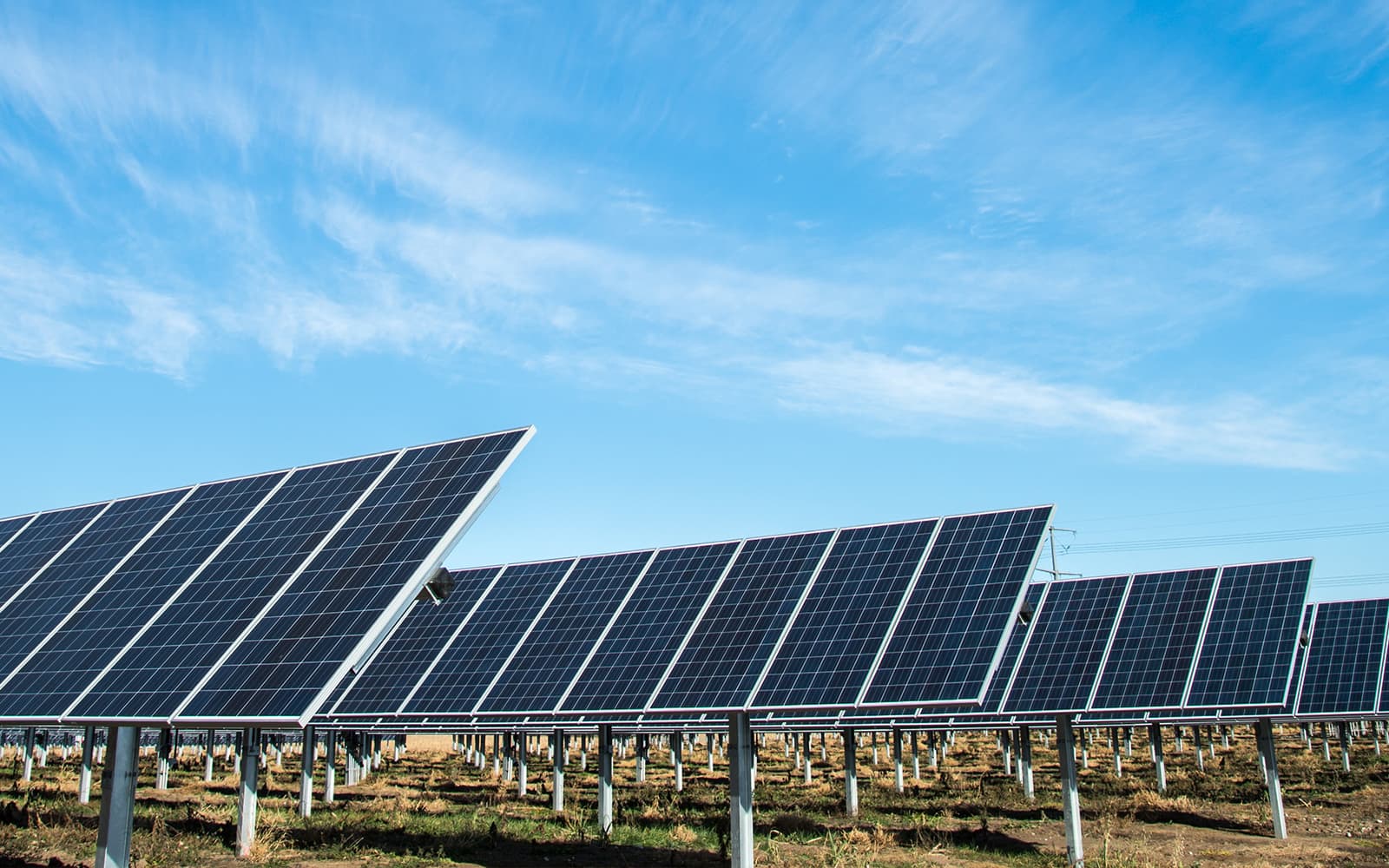
SolarShare: making climate investment tangible
SolarShare in Ontario is one example of what changes when pathways to participation exist.
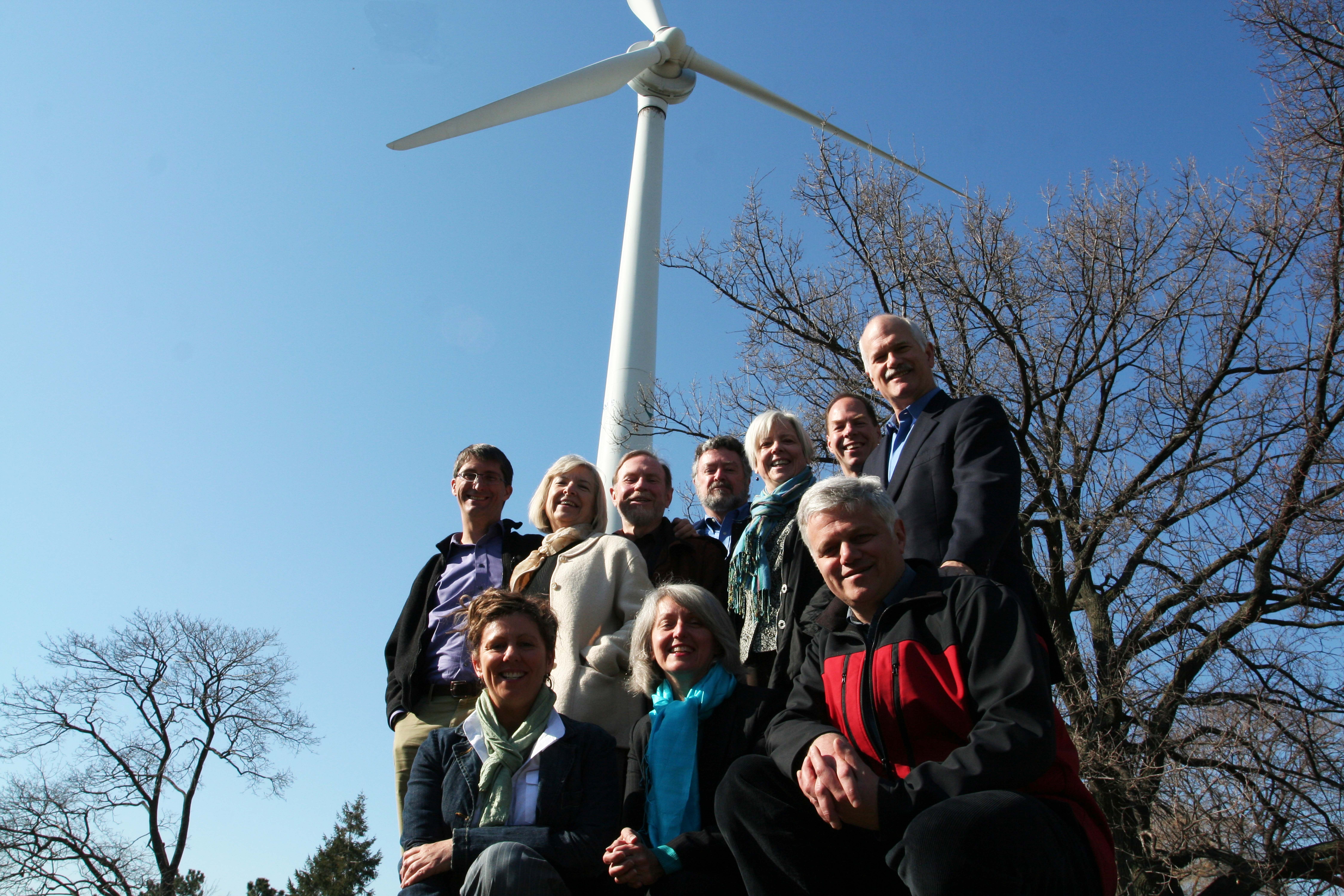
It was founded in 2010 as a renewable energy co-operative, incubated by the Coopérative d'énergie renouvelable de Toronto (TREC). SolarShare’s goal was to let people invest directly in solar energy projects through community bonds.
What started with three projects has grown into more than 50 solar installations across the province and more than 2,000 people investing over $80 million.
SolarShare demonstrates that everyday people are willing to put their money into renewable energy when the opportunity is clear, practical, and connected to something real.
What changes when participation is real
Community capital works because it closes the distance between people and the things they’re helping build.
Less distance between investment and impact. Less distance between intention and action. Less distance between “I support this” and “I’m part of this."
When that distance shrinks, projects feel less external and more shared. SolarShare is one example of that in practice.
Community bonds are being used across sectors such as renewable energy, affordable housing, arts & culture, and more. Different sectors, same underlying shift: capital structured in a way that broadens participation and changes who gets to own and benefit from what is built.
Earth Day, from that perspective
Earth Day usually focuses on awareness and urgency. As it should.
The 2026 theme, “Our Power, Our Planet”, adds something important to that: participation. Climate progress is shaped by the people involved in building it. That’s where community capital fits in.
Tools like community bonds give people a way to move from supporting climate solutions in principle to helping finance them in practice through direct participation in real projects.
This Earth Day, we’re celebrating the people who choose to invest in something bigger than themselves. The communities that decided to build their own future. And the financing models helping make it possible. 😊
Disclaimer: This content is for general informational purposes only. It does not constitute legal, financial, accounting, or tax advice, and should not be relied upon as such.
 2 min read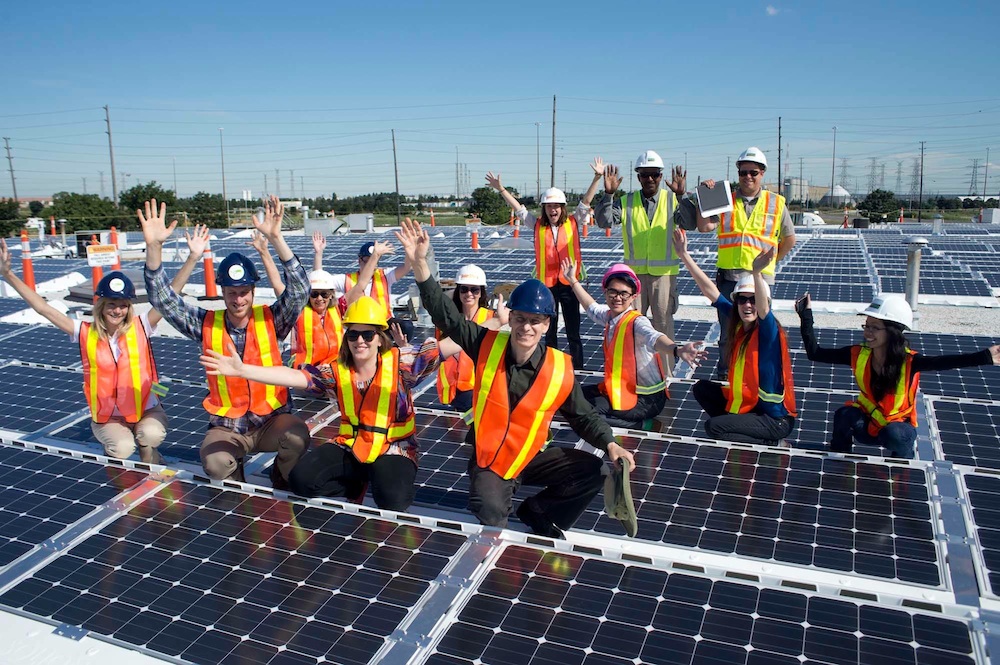
Commentaires récents